


Gym injuries in Singapore are increasingly common due to high-intensity training, poor lifting mechanics, and inadequate recovery. Frequent issues include lumbar strains from improper deadlifts, rotator cuff impingement, and patellofemoral knee pain. Read more…
You know that feeling when your workout is going smoothly—until it suddenly isn’t? Perhaps you’re doing the final reps of a bench press at ActiveSG or pushing overhead at Anytime Fitness when a painful pinch pierces your shoulder. Or maybe you’re halfway through a deadlift that you’ve performed numerous times when your lower back suddenly starts to hurt. Everyone has witnessed someone shaking off a sore elbow at the cable machine or wincing after squats. These minor aches may appear innocuous, but they are actually indicators of bad lifting practices, and are growing more prevalent in Singaporean gyms. You’re certainly not alone if you’ve ever had a small issue ruin your training.

But the rise in gym injuries isn’t simply because more people are lifting heavier weights. The real root cause lies in deeply reversible factors: poor technique, mobility restrictions, muscle imbalances, skipping warm-ups, and jumping into heavy loads too quickly. These habits create a cycle of strain and overloading that places unnecessary stress on the shoulders, back, knees, and elbows. Understanding these factors is the first step toward preventing injury and lifting with confidence.
In this guide, you’ll learn about the most common gym injuries in Singapore, why they happen, and evidence-based physiotherapy strategies to correct and prevent them. Most importantly, you’ll learn how to rebuild your lifting technique so you can continue training without pain and avoid long-term setbacks.
Gym Injuries in Singapore is on the Rise. Are You at Risk?
Gym injuries in Singapore are becoming increasingly common, and a major reason is the sharp rise in gym participation over the past few years. More Singaporeans are returning to structured fitness routines, weight training, and strength-based workouts—with gym attendance now higher than before the pandemic. With this surge in activity, injuries have also increased.
A 2024 national study analysing sports-related injuries found that individual sports such as gym workouts showed a significant increase in injury rates between 2020 and 2021, particularly involving the back and shoulders. This trend is also reflected in public gym facilities.

ActiveSG reported 111 fitness-related injury cases across its 28 gyms in 2024, underscoring that even in supervised environments, injuries remain common. Healthcare institutions echo the same pattern, reporting a rise in gym-related strains, sprains, and overuse injuries as more people lift heavier and train more frequently.
Together, these findings highlight a clear reality: as gym participation rises, so does the risk of improper technique, overloading, and preventable injuries—making safe lifting practices more important now than ever.
Understanding Common Gym Injuries in Singapore: Why Do They Occur?
Injuries have become more frequent as more Singaporeans visit the gym to lift weights, gain strength, and enhance their fitness, particularly among those who are new to strength training.
The majority of gym-related injuries result from a combination of poor lifting technique, muscular imbalances, mobility limitations, and pushing the body quicker than it can adjust, rather than from accidental occurrences.
Below is how we can classify some of the most occurring gym injuries:
Shoulder Injuries
The shoulder is one of the most mobile joints in the body but also one of the least stable, making it highly vulnerable during pressing, pulling, and overhead movements. Many gym-goers develop shoulder issues simply because the demands of lifting exceed the stability of the joint, such as:
Rotator Cuff Strains:
These occur when the stabilising muscles around the shoulder are overloaded or poorly coordinated. Movements like bench presses, overhead presses, and even pull-ups can strain the rotator cuff if the shoulder is not properly positioned and stabilised. Poor eccentric control, especially during lowering phases, often contributes to irritation and injury.

Shoulder Impingement
This happens when the rotator cuff tendons are compressed between the shoulder blade and humerus. Overhead lifts such as military presses, jerks, or even poorly executed lateral raises can trigger this, especially if shoulder mobility is limited or form breaks down.
Why These Injuries Occur:
- Overhead lifting without proper scapular control
- Too much volume on pressing, not enough pulling
- Poor thoracic mobility limiting shoulder mechanics
If you would like more information, you may view this blog on the topic of common shoulder injuries.
Lower Back Injuries
The most common injury sustained while weight training is the lower back, particularly in deadlifters and new gym-goers. When technique is uneven, core engagement is inadequate, or mobility limitations force compensations, the lumbar spine absorbs a significant amount of load.
Lumbar Strains
These muscular strains usually happen when lifters round their back during deadlifts, RDLs, barbell rows, or any heavy pulling movement. The muscles overstretch under load, leading to tightness or spasms.
Disc Irritation
Repeated bending or flexing under load, such as during improper deadlift setup or high-rep workouts, can place pressure on the spinal discs. This can result in pain, stiffness, or hip sciatica.
Technique Errors in Squats/Deadlifts
Improper bar path, knees collapsing inward, or lifting too heavy before mastering fundamentals all significantly increase injury risk.
Why These Injuries Occur:
Poor bracing technique
Weak core and glutes
Tight hips limiting squat depth
Excessive lumbar extension during overhead lifts
Lifting heavier than what form can support

Knee Injuries
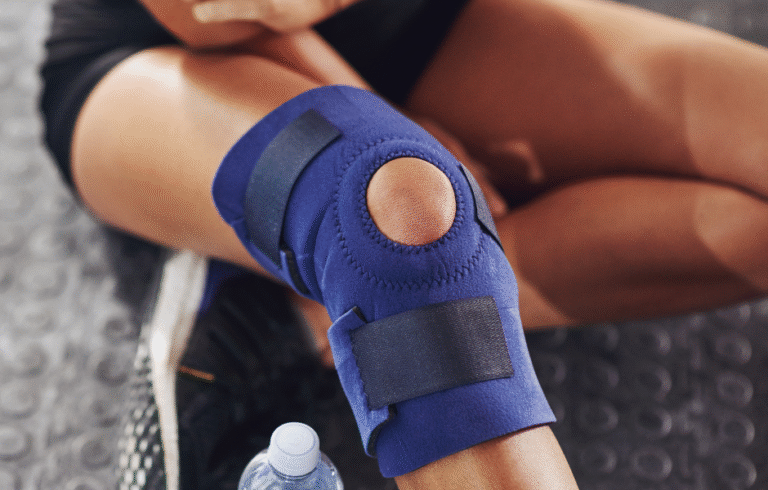
Knee pain is very common among Singaporeans who work out, particularly those who do HIIT sessions or squat a lot. The hips, ankles, and general leg strength all have a significant impact on the knee, so when these regions are unstable or immobile, the knee takes on needless strain.
Patellofemoral Pain
Discomfort around the kneecap is often triggered during squats, lunges, step-ups, or leg press. Poor alignment or imbalanced strength between the quads and glutes often contribute to irritation.
Tendinopathy
Repetitive jumping, high-volume squatting, or excessive leg days can overload the knee tendons, particularly the patellar tendon. This presents as stiffness, aching, or pain after activity.
Why These Injuries Occur:
- Knees caving in (valgus collapse)
- Excessive forward knee travel due to poor hip mobility
- Weak glutes not controlling knee alignment
- Excessive loading
Wrist & Elbow Issues
Pulling, pressing, and gripping motions frequently impact these joints. Irritation develops around the tendons and stabilizing structures when technique falters or the burden rises too quickly.
Wrist Sprains
Pain on the inside or outside of the elbow due to overuse of the forearm muscles. Common in people who perform heavy pulling exercises, kettlebell swings, or repetitive gripping.

Tennis/Golfer’s Elbow
Occurs when wrists collapse or excessively extend during push-ups, planks, or bench pressing. Poor wrist alignment places stress on small stabilising ligaments.
Why These Injuries Occur:
- Using an overly tight grip during pressing or pulling
- Poor wrist stacking during overhead movements
Weak forearm flexors/extensors - Excessive repetitive strain without recovery
- Technique breakdown during heavy bench press or push-ups
- Limited shoulder or thoracic mobility causing wrist compensation
Lift Like a Pro: Physiotherapist Tips for Safe and Effective Training
Strength training builds muscle, boosts bone density, improves metabolism, and enhances mobility. But without proper technique and awareness, it can also lead to injuries that slow your progress and affect daily life.

To train effectively and protect your body, follow these physiotherapy-backed guidelines for smarter, safer, long-term lifting.
Master the Basics First
Develop strong movement patterns before attempting higher weights. Focus on breathing, control, alignment, and joint tracking to master the basics—squats, hinges, pushes, and pulls. Good movement trains your muscles and joints to cooperate. Ignoring this phase frequently results in bad habits, overuse injuries, and needless stress.
Strengthen Key Supportive Areas
Lifting isn’t just about large muscle groups – strength, stability, and control come from smaller “support” muscles working together to protect the joints and maintain alignment.
- Core bracing: Protects your spine and maintains safe lumbar posture.
- Scapular control: Supports shoulder strength and prevents impingement or rotator cuff issues.
- Glute activation: Keeps hips stable, controls knee tracking, and reduces lower-back stress.
- Grip strength: Supports heavier lifts and reduces strain on elbows and forearms.
When these supportive areas are neglected, even moderate weight can overload the joints and soft tissues, leading to strain, imbalance, and injury.

Proper Warm-Up Routines
A proper warm-up prepares your body for the demands of lifting heavier loads. Think of it as preparing the canvas before painting. Skip it, and your work becomes sloppy.
- Mobility: Hips, shoulders, thoracic spine, ankles (e.g., wall slides, hip 90/90s, leg swings).
- Activation: Light drills like glute bridges, band pull-aparts, dead bugs.
- Light sets: Start with submaximal weights to rehearse technique.
Skipping the warm-up or using inadequate warm-up routines often results in restricted range of motion, joint strain, and poor neuromuscular control under heavy load.
Progress Load Safely
Progress is key for strength gains, but must be managed carefully. Think long-term health over short-term ego.
- Increase weight or volume gradually.
- Choose loads that allow good form.
- Reduce weight if pain, fatigue, or breakdown in technique occurs.
Smart progression ensures sustainable strength gains while minimising risk of overuse and overload injuries.

Respect Your Recovery
Training hard only works when it’s balanced with proper recovery. Your body needs time, nutrition, and rest to rebuild, adapt, and grow stronger. .
- Rest days: Include full rest or light active recovery.
- Sleep: Essential for muscle repair and nervous system reset.
- Nutrition & hydration: Fuel supports tissue repair and reduces fatigue.
- Listen to soreness: Mild DOMS is normal; sharp or persistent pain is not.
Ignoring recovery is often the silent culprit behind recurring injuries, burnout, and stalled progress.
Your Path to Safe Training and Overcoming Gym Injuries
As gym injuries in Singapore continue to rise, training with proper technique, adequate mobility, and balanced strength has never been more important. Whether you’re dealing with shoulder pain, a rotator cuff issue, lower back stiffness, knee discomfort, or elbow irritation, understanding why these injuries occur is the first step toward lifting safely and confidently.

Sports physiotherapy bridges the gap between rehabilitation and performance, helping you move better, lift safer, and build long-term strength without fear of recurring injury. With expert guidance, corrective training, and evidence-based treatment, you can break the cycle of pain and train with confidence again.
If you’re experiencing pain, struggling with technique, or want to prevent future setbacks, consider getting assessed by a physiotherapist. Simply fill out contact form A personalised, movement-focused approach can help you achieve your goals—stronger, safer, and pain-free.